
Accessible Medicine through Illustration
CARE Fertility is a fertility clinic based in Dallas - Fort Worth, Texas, with a mission to make fertility care more accessible to all families. Led by husband-and-wife physician team, Kathleen Doody, M.D. and Kevin Doody, M.D., CARE has made great strides in the way of treatment for infertility.
As they began to overhaul the clinic’s website, they decided to hire a graphic artist to illustrate the causes of infertility and the process behind their treatment options. This proved a unique challenge, as much of the existing medical illustrations for infertility and human anatomy aren’t just overly complicated from a visual standpoint, but also offputting for many potential patients to look at.
My goal was to provide the clinic with illustrations that were simple, easy to understand, and visually pleasing – while remaining medically accurate.
Causes of Female Infertility
The first challenge we tackled was illustrating some of the most common causes of infertility in female bodies. This included decreased egg count, endometrial polyps, uterine fibroids, hydrosalpinx, and the four stages of endometriosis.
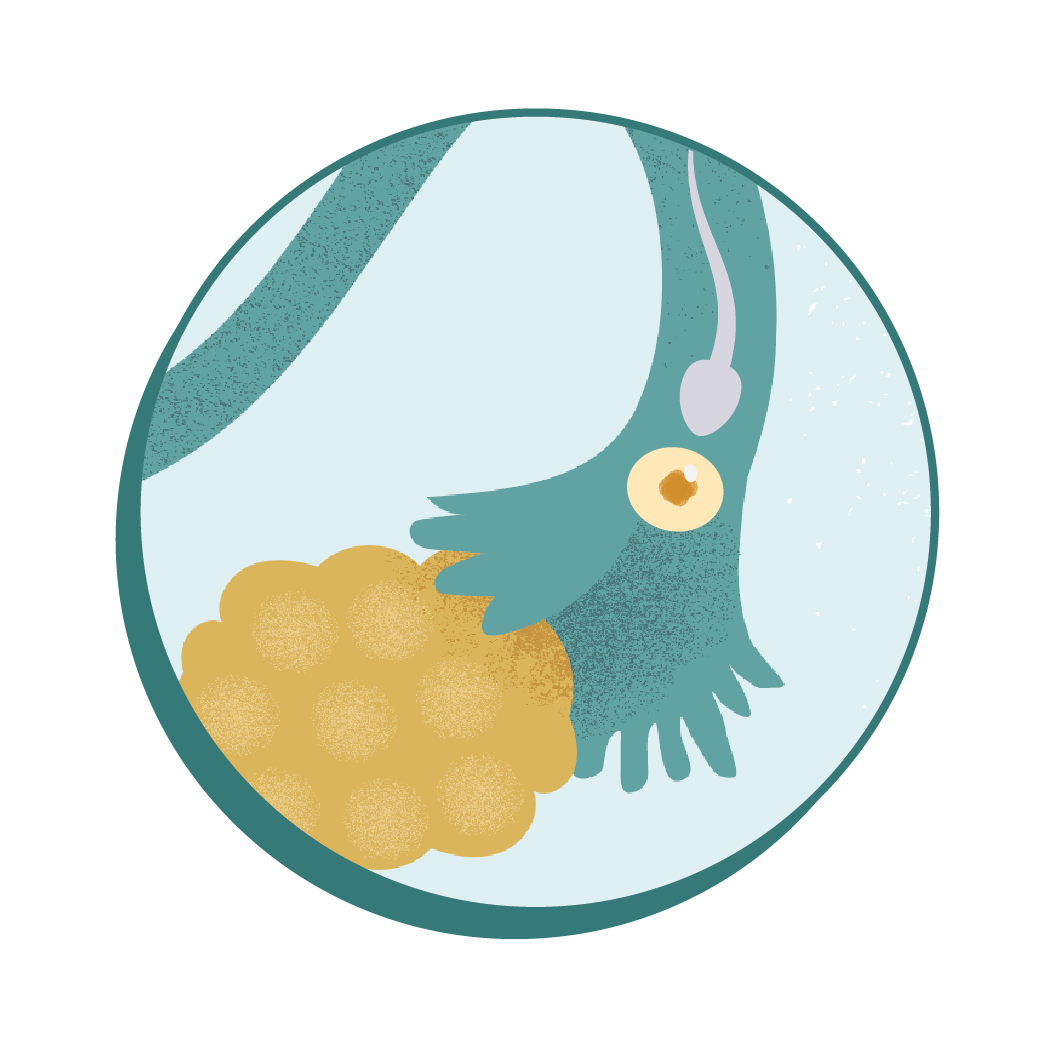
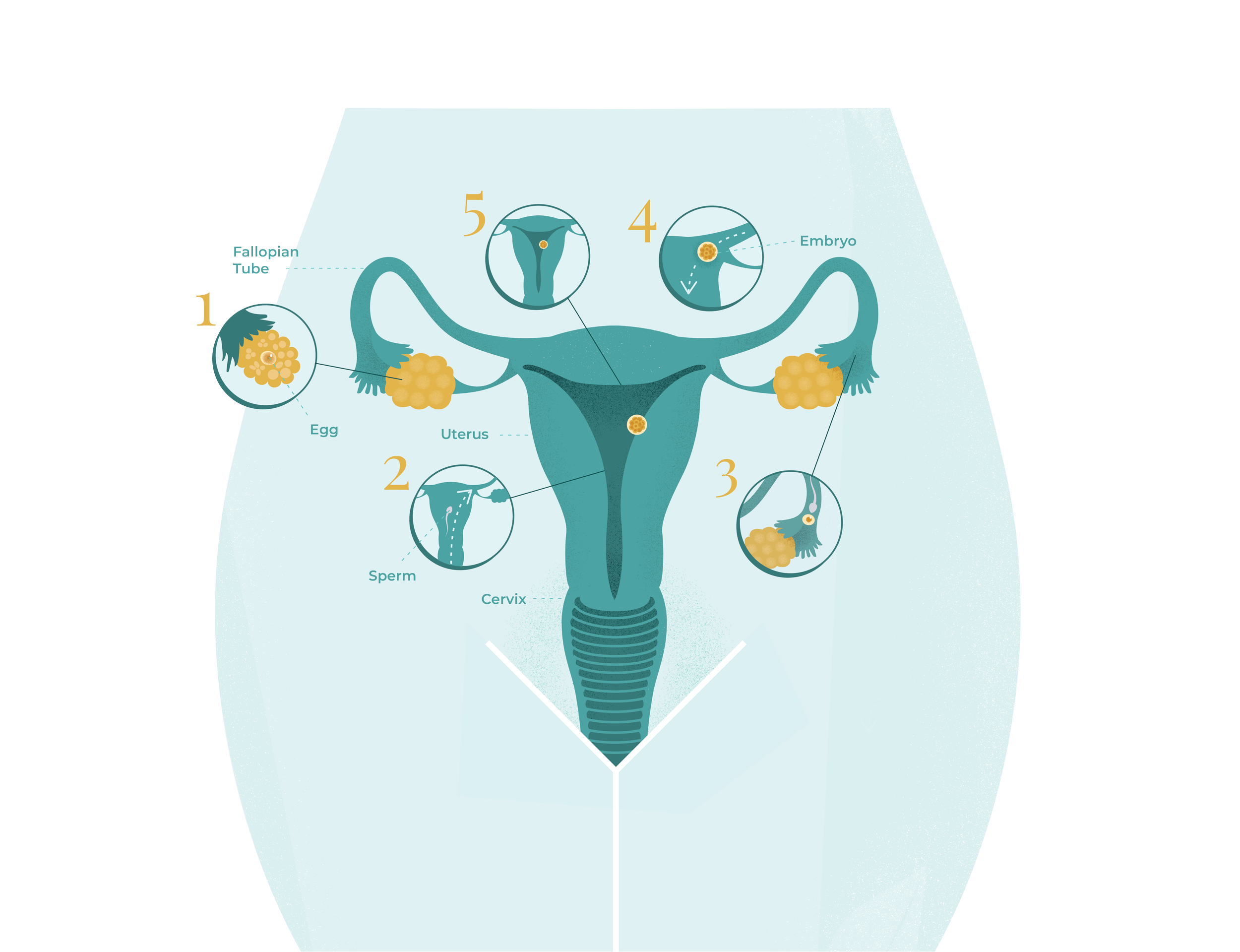
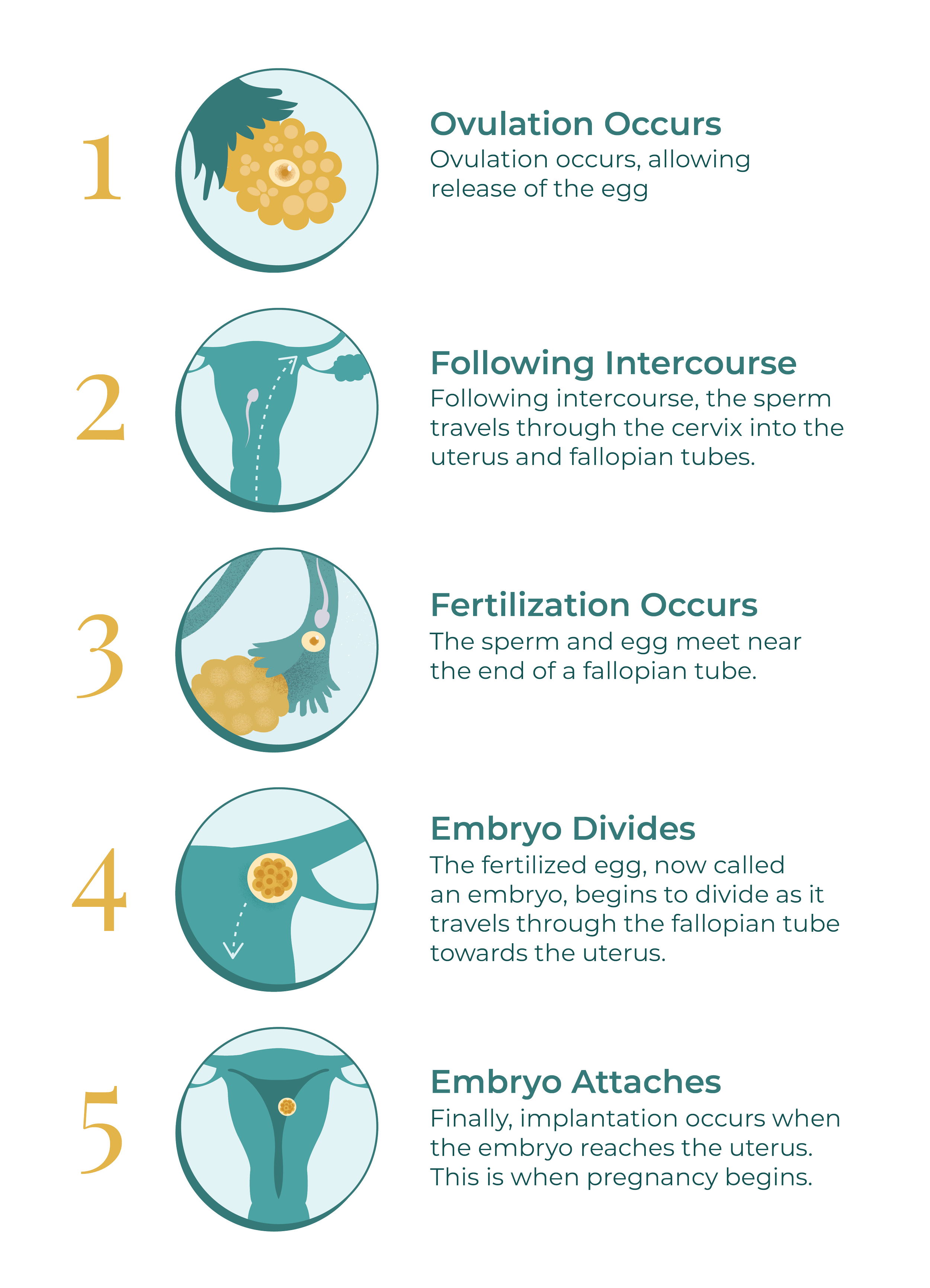
Steps for Pregnancy:
Problems with even just one of these steps may result in infertility.
Age
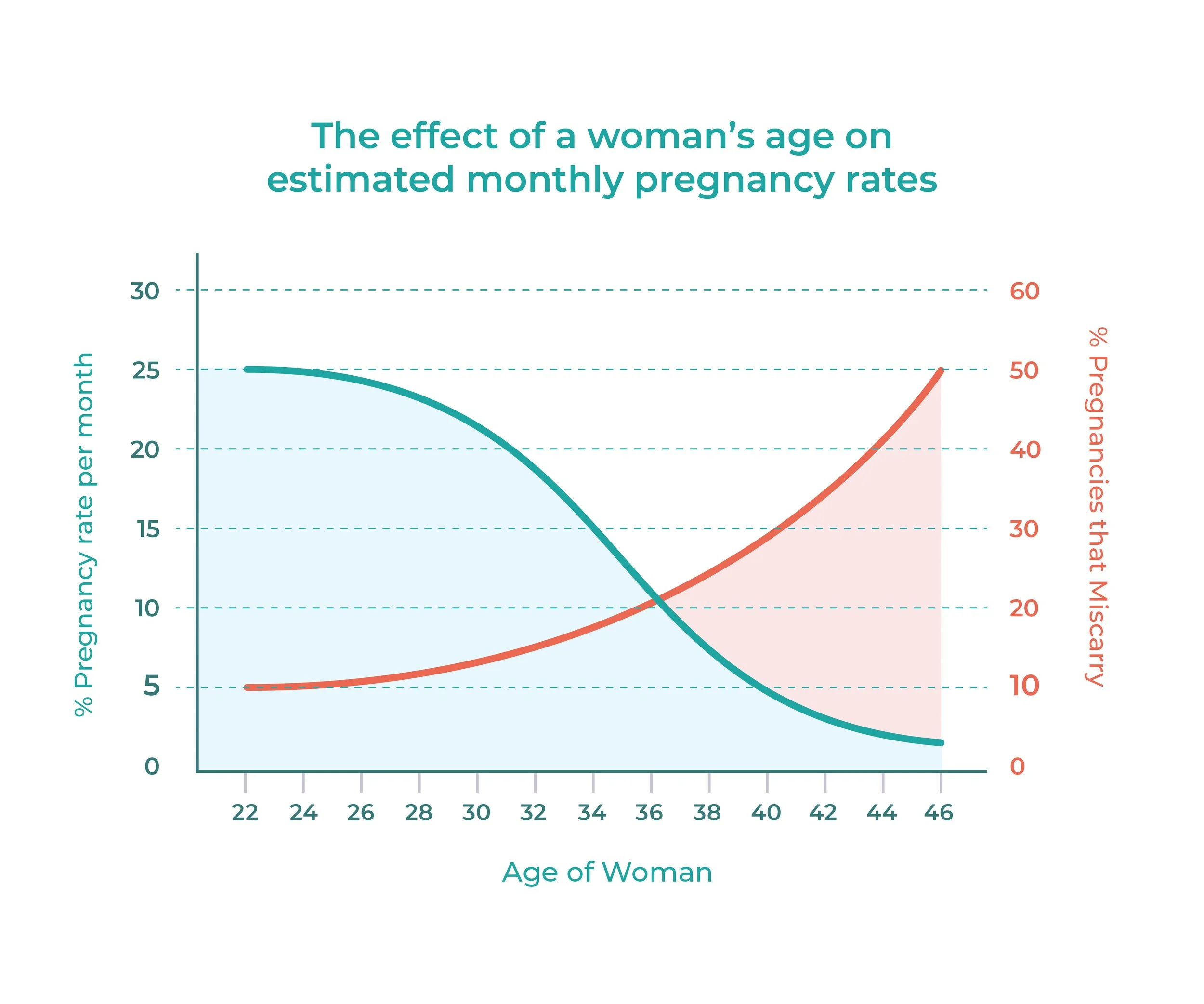
Age should be a key factor in a woman’s decision to seek a fertility evaluation. From the time of birth onwards, a woman is continuously losing eggs. Her egg supply cannot be replenished.
The “window of opportunity” begins to narrow as a woman approaches her mid-20s. It is wise for women who are 35 years old to seek an evaluation if they have not conceived within six months of stopping a method to prevent pregnancy.
By age 40, the decline in a woman’s fertility accelerates; therefore, she should begin her fertility testing if she is unsuccessful after three months.
Men may also see a decline in the quantity and quality of their sperm as they age.
Fibroids or adenomyosis are benign growths/tumors of the muscle wall of the uterus. Their size and location determine the impact on fertility. Problems may include a decreased ability to conceive as well as an increased risk of miscarriage and pre-term birth.
Endometrial polyps are fairly common. An endometrial polyp is a benign growth of the lining of the uterus. Polyps decrease implantation rates and may increase the risk of miscarriage.
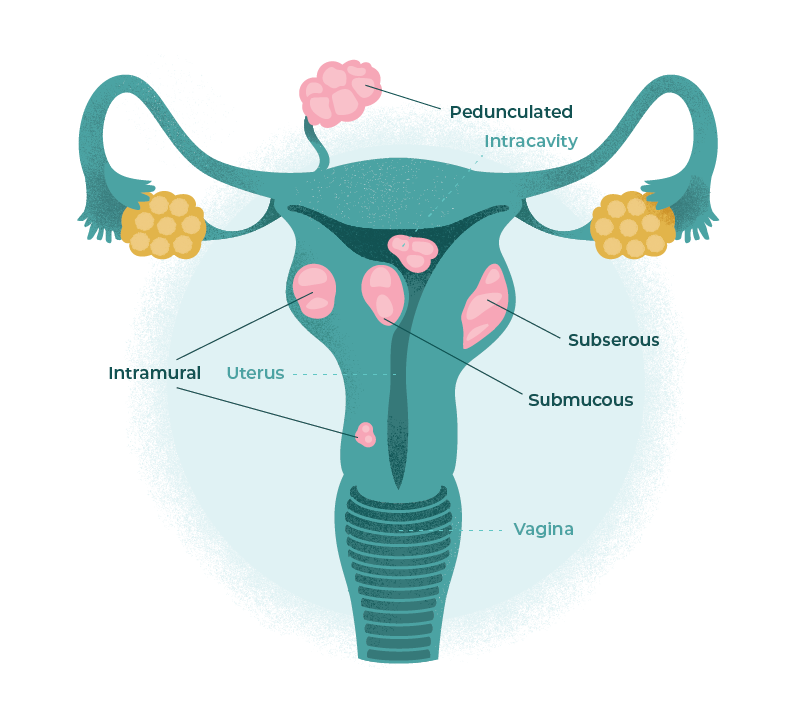
Uterine fibroids.
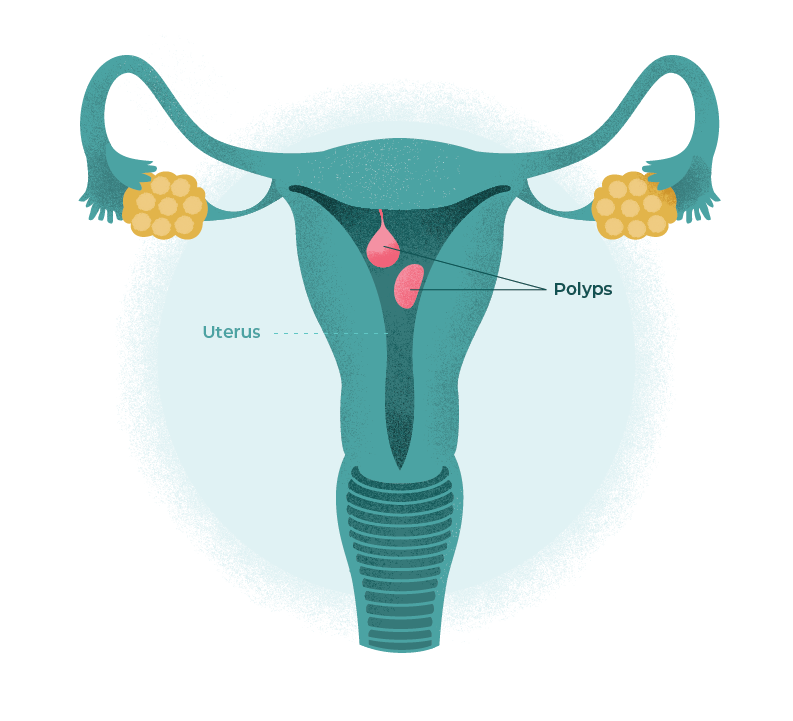
Endometrial polyps.
Endometriosis occurs when the tissue that lines the endometrial cavity implants outside the uterus. Endometriosis may involve the ovaries, fallopian tubes, or intestines.
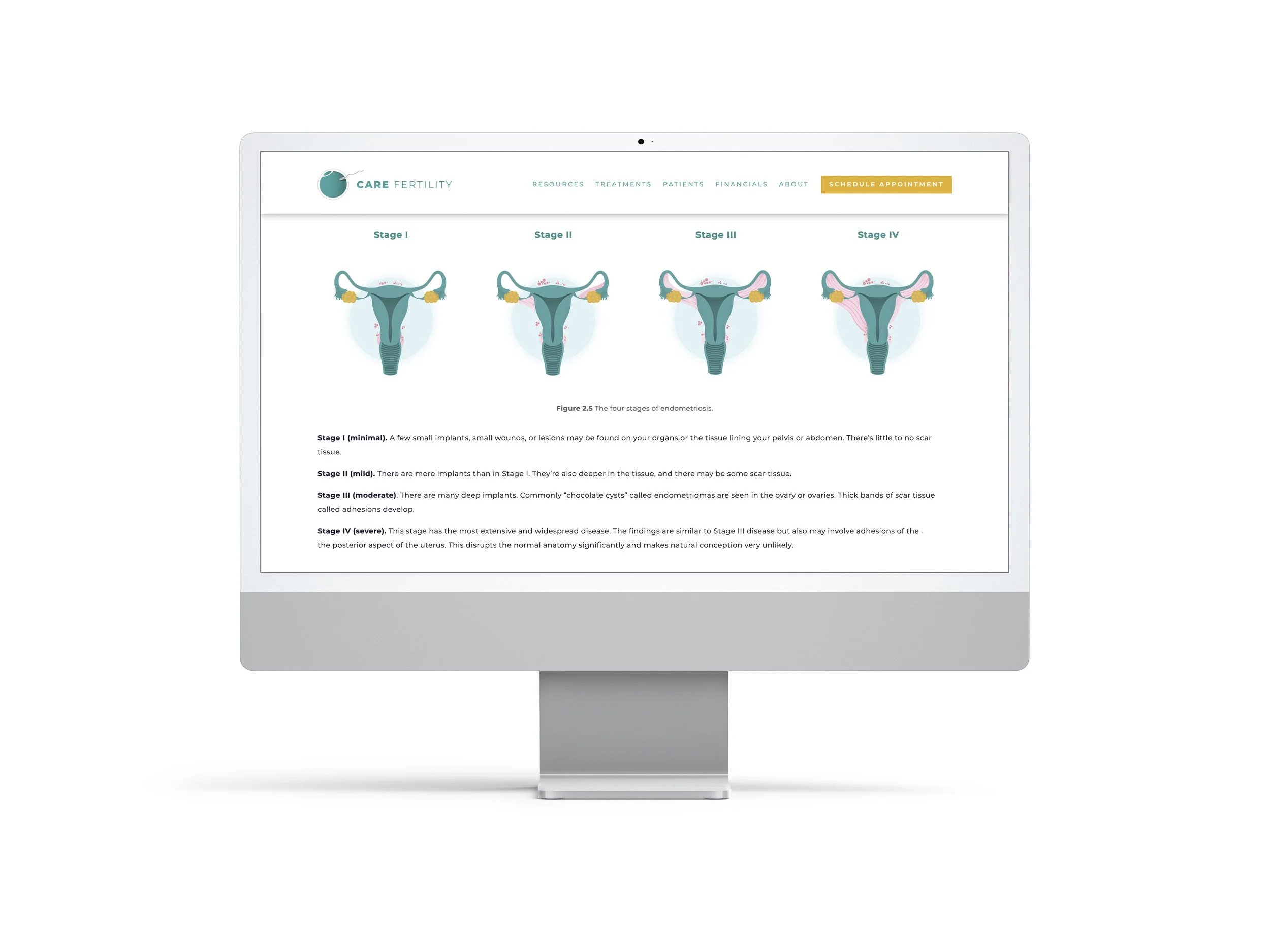
The most common symptoms are pain and menstrual irregularities. It affects 10% of women of reproductive age (Source: Rogers, 2009). The true incidence is hard to identify since many women are asymptomatic and only diagnosed in relation to infertility. Endometriosis is classified into one of four stages:
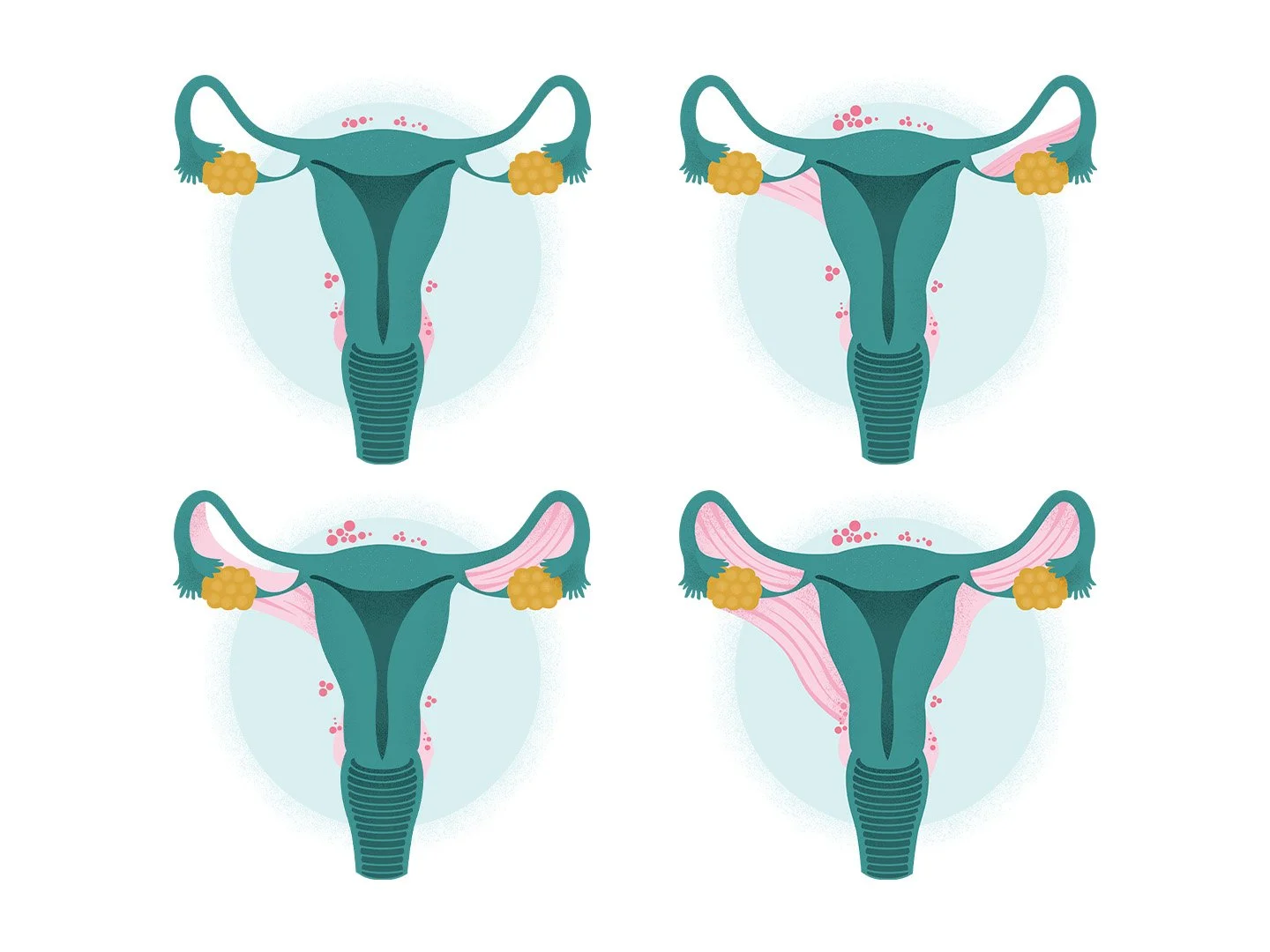
Stages of endometriosis. Stage I: Minimal (top left), Stage II: Mild (top right), Stage III: Moderate (bottom left), and Stage IV: Severe (bottom right).
Treatment Options
CARE provides a wide variety of treatment options depending on the patient’s cause of infertility. In vitro (IVF) fertilization and its different types, Intrauterine insemination (IUI), and what those options might look like for LGBT couples are some of the highlights that we decided to illustrate for the website.
IVF (In-Vitro Fertilization): The most common form of IVF, stimulated or conventional IVF uses fertility drugs to stimulate the ovaries to produce multiple eggs. The doctor uses light sedation to harvest the eggs from the ovaries. The eggs are then combined with sperm in the laboratory and incubated. The resulting embryos are transferred into a woman's uterus.
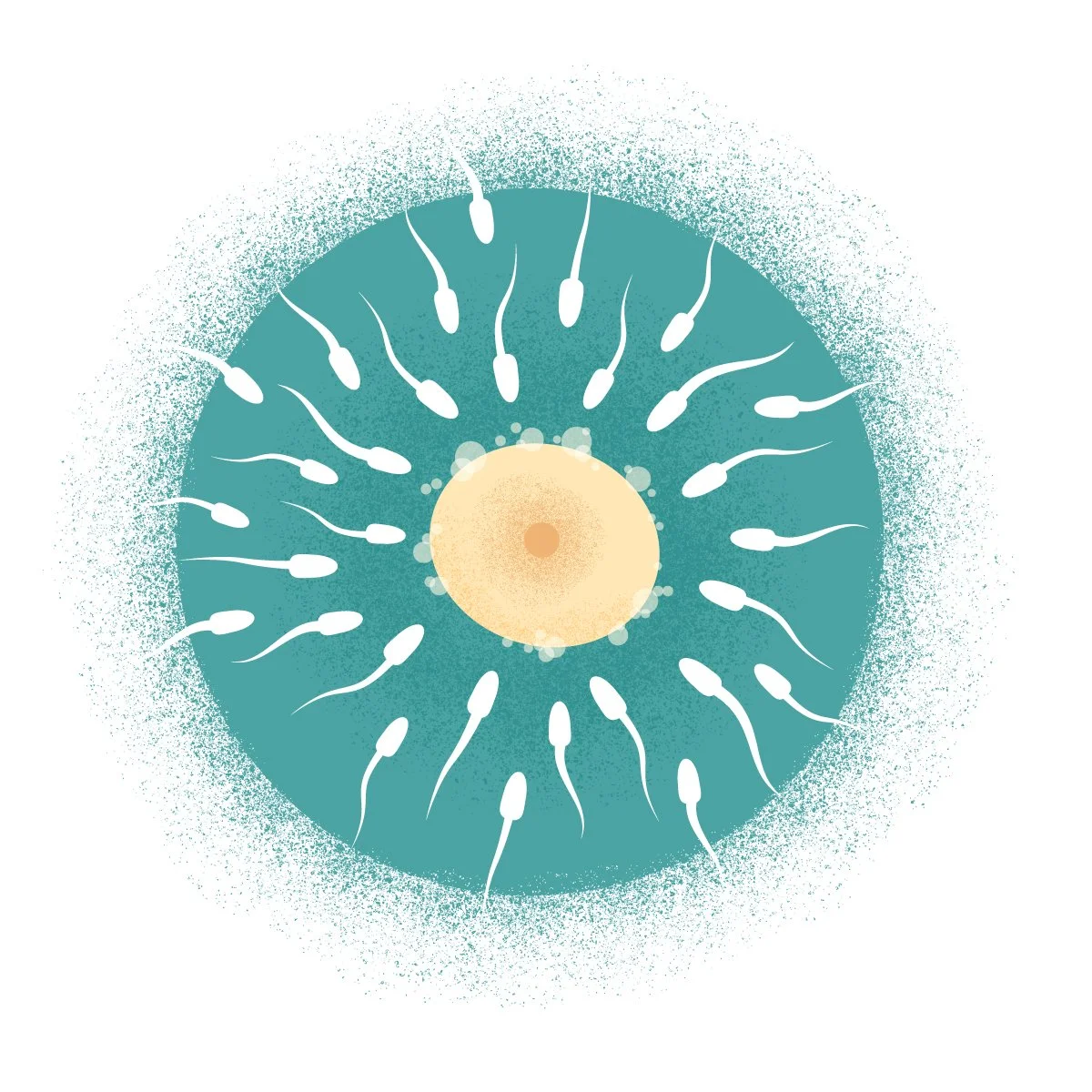
In traditional IVF fertilization, thousands of swimming sperm are placed next to the egg in a laboratory dish. Fertilization occurs when one of the sperm enters into the outer layer or cytoplasm of the egg.
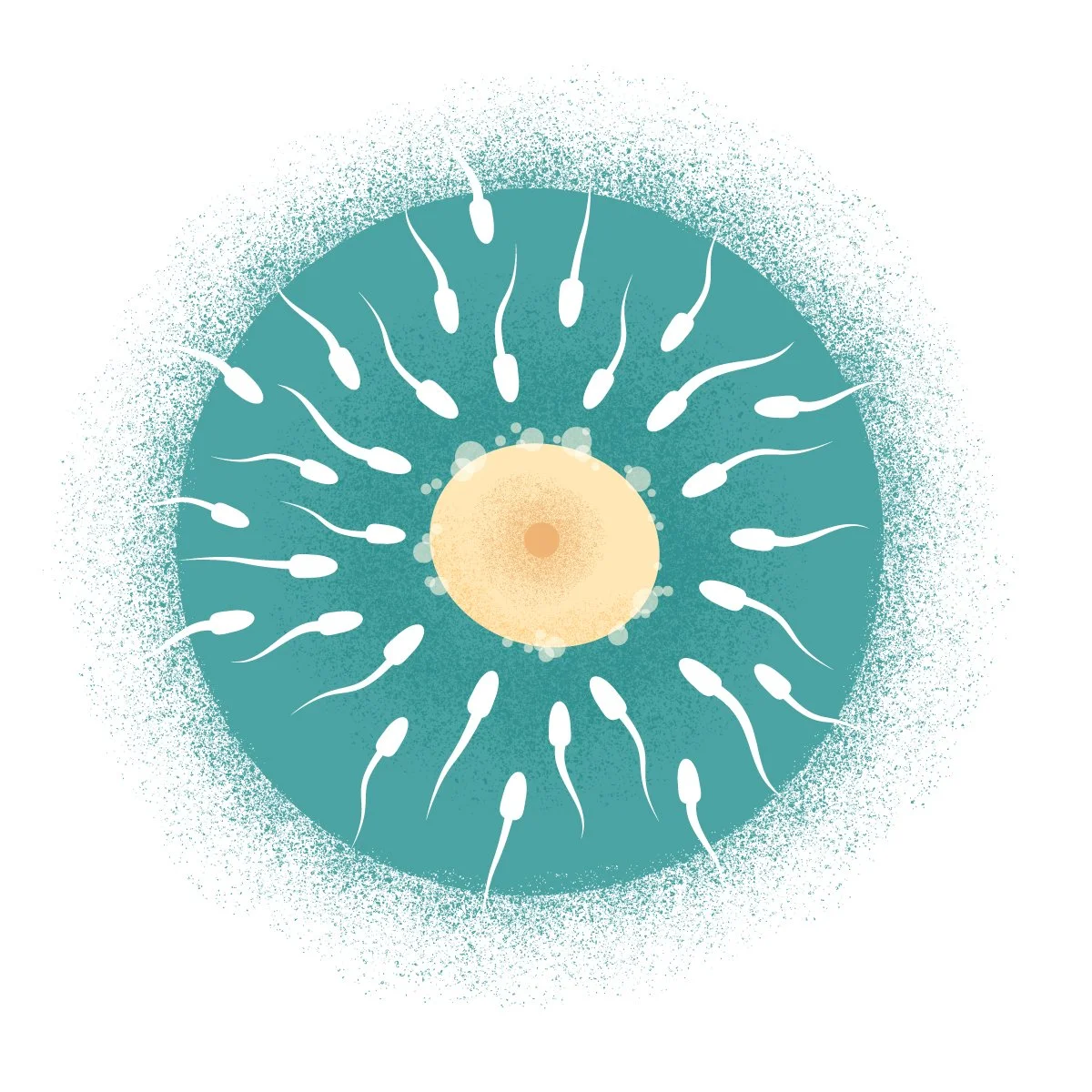
Traditional IVF fertilization.
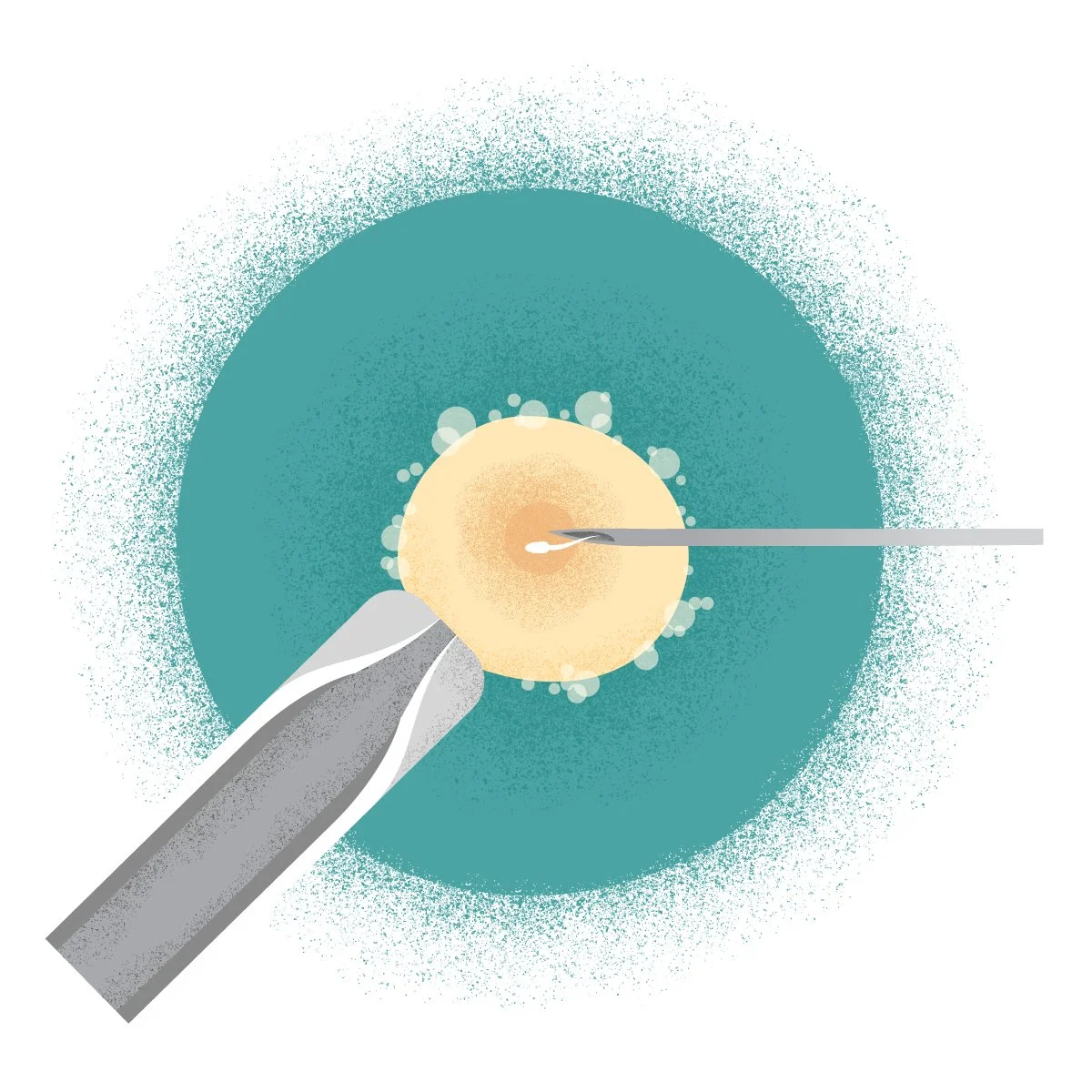
ICSI.
ICSI (Intracytoplasmic Sperm Injection): For a variety of reasons, sometimes the sperm cannot penetrate the outer layer of the egg. In these cases, a procedure called intracytoplasmic sperm injection (ICSI) can be done along with IVF to help fertilize the egg. In the ICSI process, a tiny needle is used to inject a single sperm into the center of the egg.
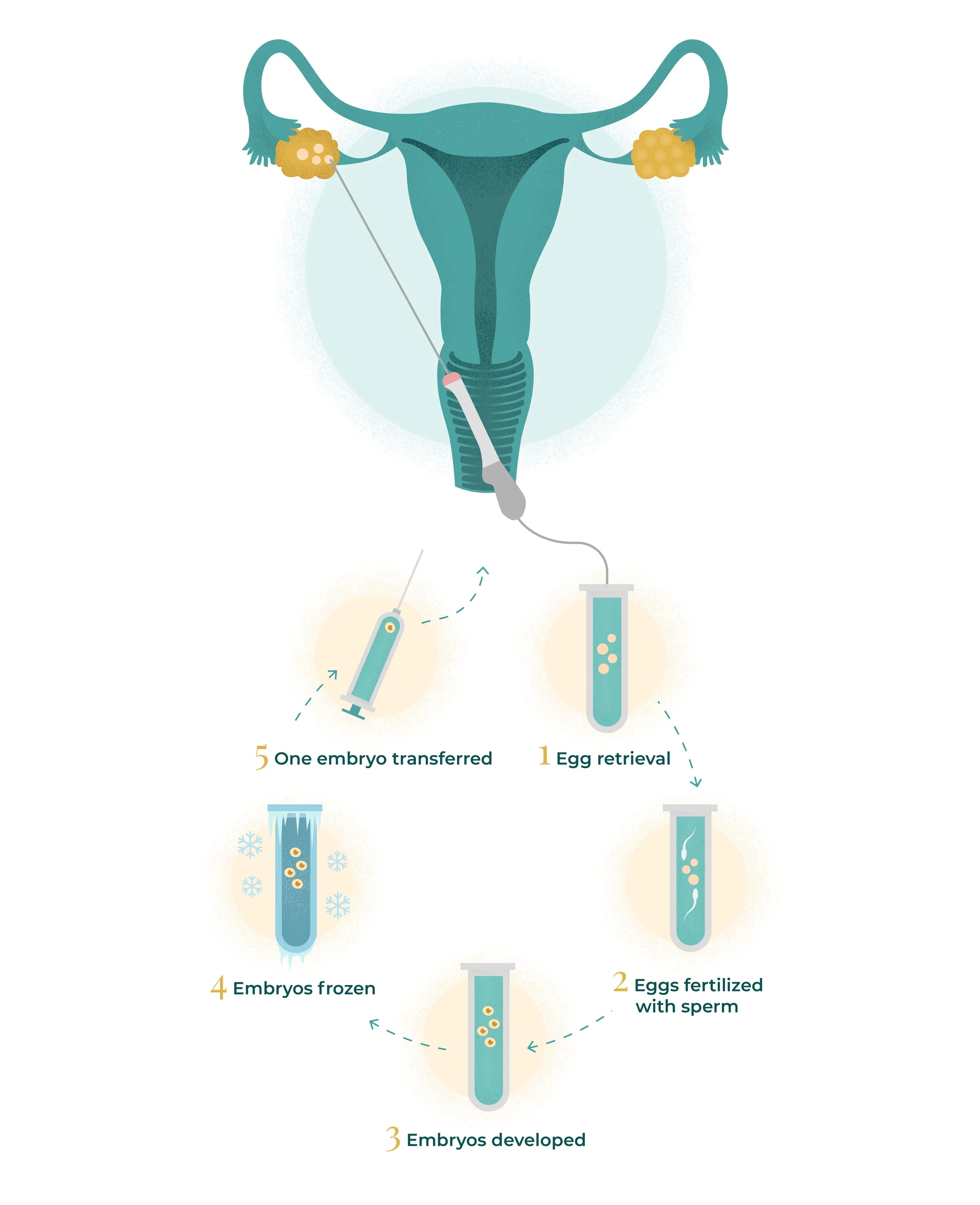
Full traditional IVF process, step-by-step.
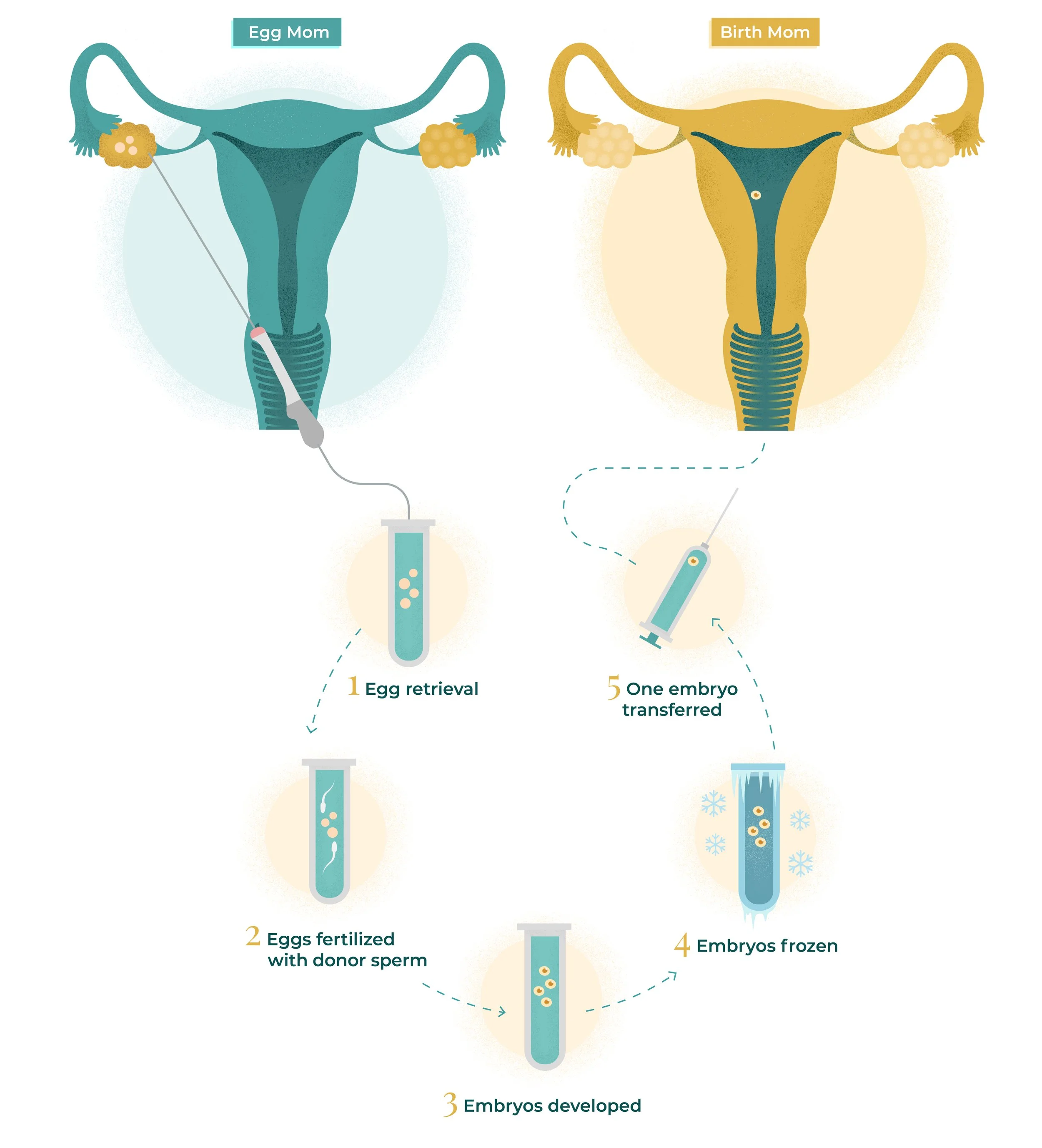
Reciprocal IVF with Donor Sperm:
An increasing number of same sex female couples are choosing to undergo Reciprocal IVF. This option allows both women to be involved in the process. One partner, the “egg mom,” provides the eggs, which are fertilized with donor sperm outside of the body, in the laboratory. The resulting embryos are frozen at the blastocyst stage, then one embryo is transferred to the other partner, the “birth mom,” who will carry the pregnancy to delivery. This allows both partners to have an intimate link to their offspring.
In this scenario, the evaluation is split between the two females. The partner who is going to undergo the egg retrieval has an assessment of her egg count and the partner who carries the pregnancy has her uterus evaluated.
IUI (Intrauterine insemination) is a simple artificial insemination process. The IUI process bypasses the cervix. The semen sample (partner or frozen donor sperm) is “washed” (processed) in the andrology lab to extract the most motile sperm.
A small tube is then placed through the cervix and deposits the sperm in the womb.
IUI is a commonly-used treatment option for same-sex female couples. The majority of pregnancies occur in the first few cycles.
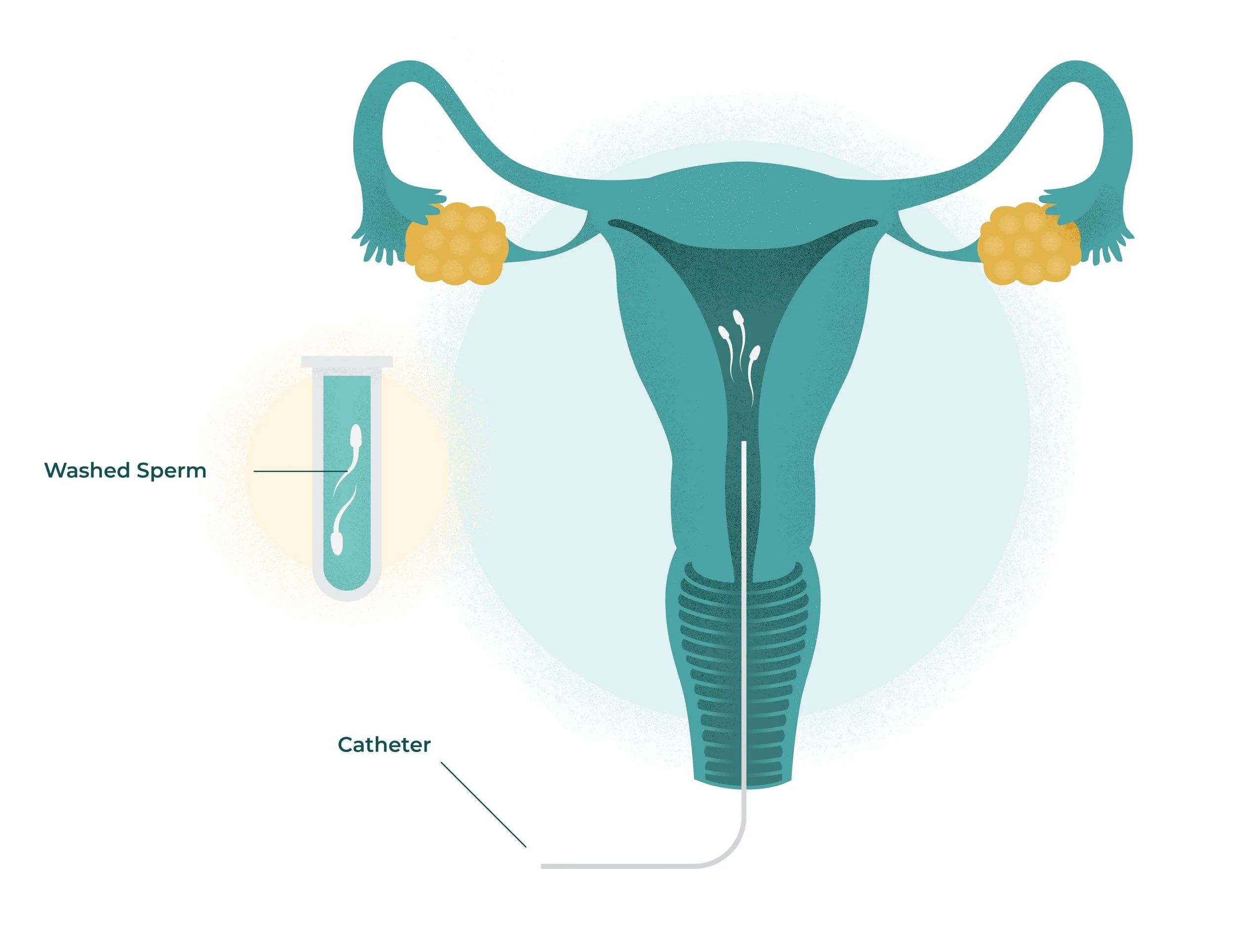
IUI process.
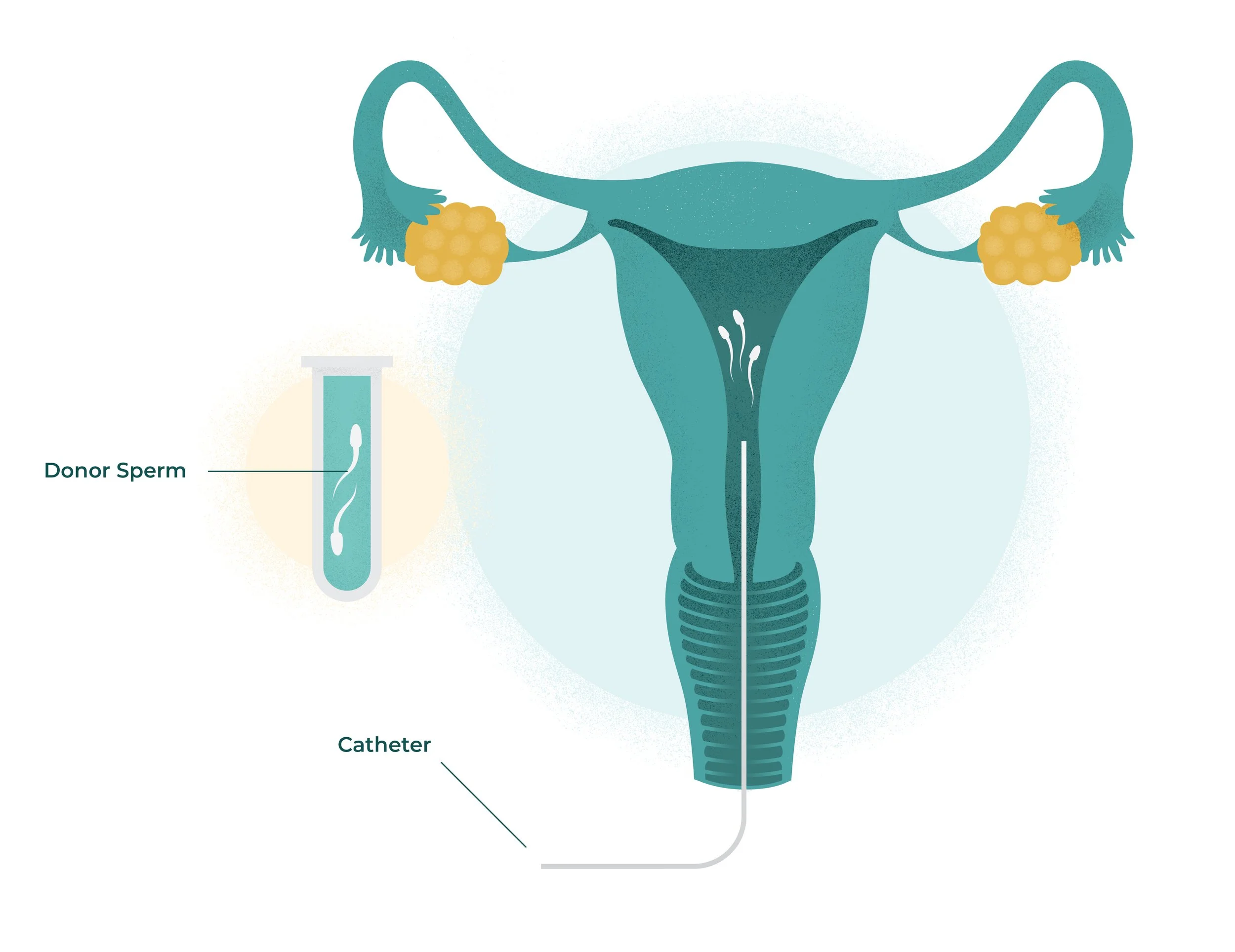
IUI process with donor sperm.